
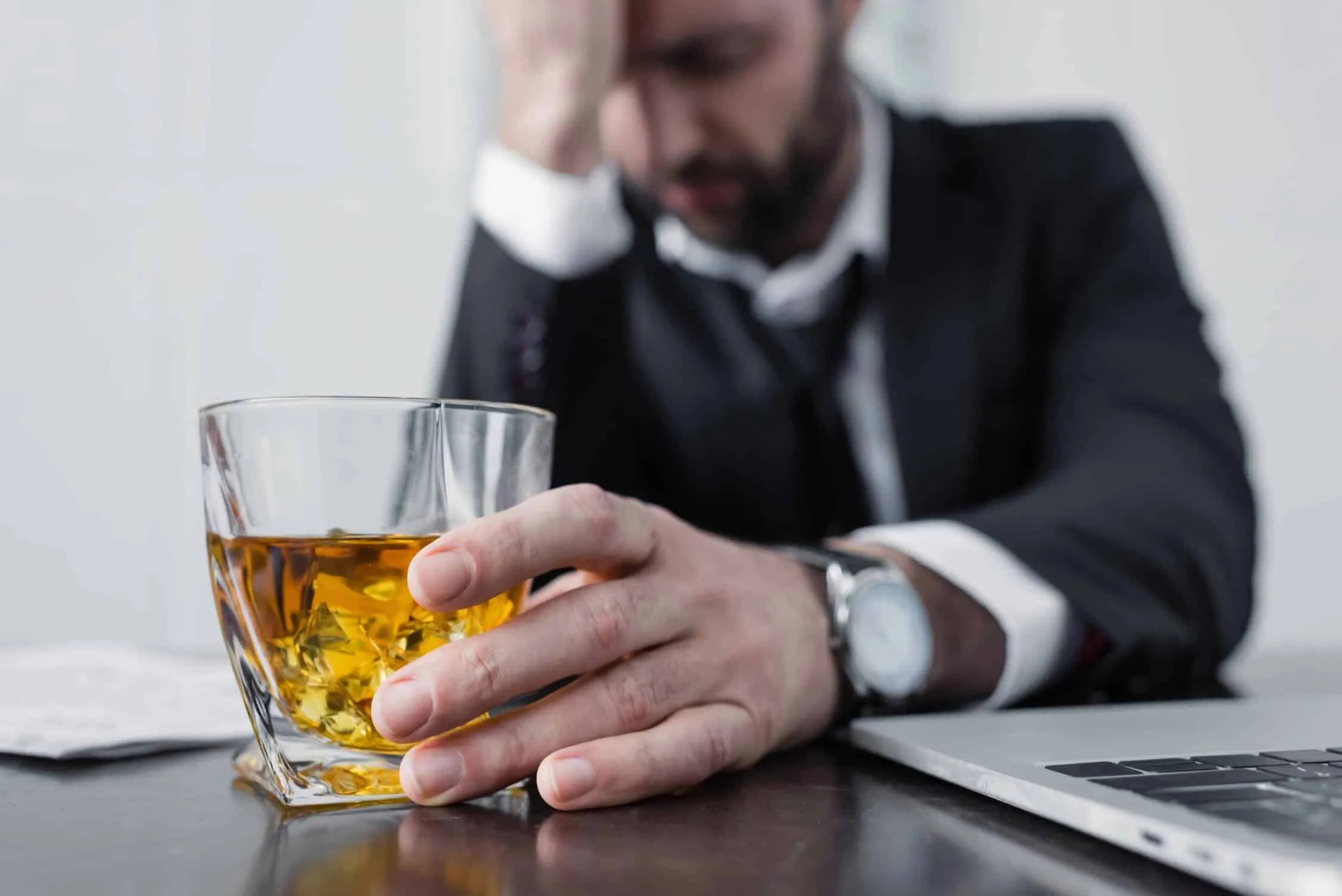
Waking up with your body aching and your mind racing about what happens if you stop drinking is exhausting, and it’s scary too. You might be searching for an easy, at-home fix, but the best way to detox from alcohol is a medically supervised process, not a matter of willpower or internet tips. Medical supervision isn’t just a precaution; it’s the safest and most effective way to protect your health during detox. Here’s what actually happens during withdrawal, how long it lasts, and how to choose the right kind of care.
What Is Alcohol Detox?
Medical alcohol detoxification is the clinical process of managing acute withdrawal symptoms as your central nervous system adjusts to functioning without alcohol. Prolonged alcohol use creates a physical state where your body relies on the substance to maintain balance. When you stop drinking abruptly, your central nervous system becomes hyperactive. This dangerous hyperactivity causes the physical and psychological symptoms of withdrawal.
Why DIY Methods Don’t Work
Many people search for the best way to detox the body from alcohol using fad diets or fruit juices. The reality is that clinical support is the only medically sound method. Drinking water or changing your diet cannot reverse a severe chemical dependence. Medical professionals use specific protocols to relieve withdrawal symptoms while keeping you comfortable. They monitor your vital signs around the clock to prevent serious complications.
Detoxification successfully clears the harmful substances from your system. However, it is only the first step in a much broader Malibu detox journey. Addressing the underlying behavioral causes of your alcohol addiction requires ongoing therapy. Professional detox stabilizes your body so you can participate actively in long-term recovery work.
Alcohol Withdrawal Symptoms and Timeline
Alcohol withdrawal follows a predictable clinical timeline that requires professional monitoring to prevent severe medical complications. The first 48 hours are notoriously the worst phase. During this critical window, your brain struggles intensely to adapt to the sudden absence of alcohol. Medical supervision provides life-saving interventions and medications to ease your distress.
Common Withdrawal Symptoms
You might experience a wide range of physical and emotional changes. Recognizing these shifts allows clinicians to adjust your care plan immediately. Withdrawal looks slightly different for everyone, but standard symptom clusters generally apply.
The primary symptoms include anxiety and restlessness, as your nervous system overreacts to normal stimuli; physical tremors, with uncontrollable shaking that often starts in your hands and arms; nausea and vomiting, as your digestive system reacts to the chemical imbalance; and autonomic hyperactivity, which can bring a racing heart, high blood pressure, and heavy sweating.
Delirium Tremens: A Medical Emergency
Only about 1 to 1.5 percent of people with alcohol withdrawal will develop delirium tremens. This specific condition is a severe medical emergency. It causes profound confusion, vivid hallucinations, and a dangerous spike in body temperature. The low percentage doesn’t make the risk any less significant.
Without immediate medical care, delirium tremens can easily be fatal. This is exactly why attempting withdrawal alone is incredibly risky. Review the clinical timeline and complication rates for withdrawal phases to better understand these dangers.
12 to 24 Hours After the Last Drink
Early symptoms typically surface within 12 to 24 hours of your final drink. Alcohol dependence triggers a rapid biological response once the substance leaves your bloodstream. You will likely feel a sharp increase in anxiety, irritability, and restlessness. Your heart rate may climb quickly, and you might start sweating heavily. Mild tremors often become noticeable during this early phase.
48 to 72 Hours After the Last Drink
The peak risk period for severe withdrawal occurs 48 to 72 hours after stopping alcohol. This is the precise window where life-threatening withdrawal seizures are most common. The risk of developing delirium tremens also spikes dramatically during this timeframe. You need constant medical observation to navigate these critical hours safely.
How Does the Body Process Alcohol?
Your liver metabolizes alcohol through complex oxidative pathways to remove it from your bloodstream safely. The liver breaks down most consumed alcohol, eliminating 90 to 95 percent of it from the body. Specialized enzymes convert the dangerous toxins into water and carbon dioxide. The remaining 5 percent exits your body naturally through your breath, urine, and sweat.
What Happens When You Drink Too Much
Heavy, chronic drinking overwhelms these natural filtration systems. When the liver cannot process the high volume of alcohol, toxins build up rapidly in your blood. This toxic buildup leads directly to oxidative stress and severe cellular damage. Understanding the liver enzyme pathways for ethanol helps clarify why the body struggles to keep up.
Many people wonder what the best way to detox your liver from alcohol might be. The answer isn’t in expensive supplements or unproven internet liver cleanses.
Why Your Liver Needs Time to Heal
Abstinence and clinical medical care give your liver the time it needs to heal naturally. Drinking fluids helps maintain basic bodily hydration during this process. However, water cannot flush out alcohol or reverse liver damage on its own. True physical recovery requires sustained sobriety and healthy lifestyle changes. This clinical approach remains the best way to detox alcohol from your body.
Can I Safely Detox From Alcohol at Home?
Detoxing from alcohol at home without professional medical supervision is never safe due to the unpredictable risk of life-threatening complications. LifeSync Malibu advocates for supervised medical detox as the safest and most effective approach. When you have a physical dependence, your body reacts violently to the sudden absence of alcohol. You may find articles suggesting the best foods for alcohol detox or holistic remedies. While nutrition matters, food and hydration alone aren’t enough for safe withdrawal.
It helps to separate detoxing alone from a professionally supervised program you complete at home. LifeSync Malibu also offers medically monitored home detox for carefully screened patients whose withdrawal risk is low, pairing daily clinical check-ins with the same protocols used on site. For anyone still weighing the best way to detox your body from alcohol without a residential stay, that supervised option, not a self-managed attempt, is the one worth discussing with a doctor first.
| Factor | At-Home Detox | Medical Detox (LifeSync Malibu) |
|---|---|---|
| Medical Supervision | None, relying entirely on self-monitoring. | 24/7 care from trained clinical professionals. |
| Symptom Management | Limited to over-the-counter methods. | Prescription medications to ease severe symptoms. |
| Emergency Response | Delayed access to hospital care. | Immediate intervention for seizures or distress. |
| Relapse Risk | Extremely high due to intense discomfort. | Greatly reduced in a safe, controlled environment. |
The biggest danger of home detox is the total inability to treat sudden emergencies. Seizures can occur rapidly without warning.
Severe dehydration from vomiting can lead to dangerous cardiac issues. Without a doctor present, you have no access to the prescription medications required to stabilize your nervous system. Trying to manage home alcohol detoxification often results in a rapid relapse because the physical discomfort becomes unbearable.
Medications and Comfort Measures Used During Detox
Clinicians treat alcohol withdrawal with more than observation. Long-acting benzodiazepines are commonly used to calm the overactive nervous system and lower the risk of seizures, with the dose tapered down gradually as your body stabilizes. Anti-nausea medication and thiamine, a vitamin that heavy drinking often depletes, are typically given as well to prevent complications like Wernicke’s encephalopathy. Intravenous fluids and electrolyte replacement are also common in the first days, since vomiting and heavy sweating can leave you dangerously dehydrated.
Comfort measures matter just as much as medication. Nurses check your blood pressure, heart rate, and temperature regularly so they can catch warning signs early. You’ll also have support for hydration, nutrition, and sleep, since all three make the days after your last drink noticeably more bearable.
How to Stop Drinking Alcohol Safely
The safest way to stop drinking involves a seamless transition from medical detoxification directly into a structured residential treatment program. Completing detox is a massive biological accomplishment. However, returning to your usual environment immediately afterward invites a high risk of relapse. Residential rehab provides a secure, therapeutic space to rebuild your life.
Learning What Happens After Detox
LifeSync Malibu Behavioral Health offers private rooms and same-day admissions to ensure your privacy and comfort. We accept most PPO insurance plans to help clients manage treatment costs. The National Center for Drug Abuse Statistics notes the average cost of addiction treatment is $13,475. Verifying your insurance at an accredited center adds immense value and peace of mind. It lets you focus entirely on your mental and physical healing.
Therapy gives you the practical tools to understand your unique triggers. It helps you develop new, healthy coping mechanisms. You deserve a supportive space that honors your courage and treats you with dignity. This comprehensive path is the best way to detox from alcohol abuse and reclaim your future.
Understanding Treatment Options for Alcohol Addiction
Effective treatment programs blend evidence-based therapies with restorative holistic care. Cognitive behavioral therapy and dialectical behavior therapy Malibu form the foundation of our clinical approach. These proven methods help you navigate emotional distress and restructure negative thought patterns. We complement these sessions with breathwork, sound baths, and gentle yoga.
These holistic practices calm your nervous system after the physical detox. Support groups offer deep peer connection and reduce isolation. Your physical and mental health require comprehensive, compassionate care.
FAQs
The best way to detox from alcohol is under medical supervision, especially if you have a history of heavy drinking or alcohol dependence. Alcohol withdrawal affects the nervous system, and symptoms can shift from mild to severe within several days of the last drink. A medically supervised detox lets clinicians monitor vital signs such as blood pressure, prescribe medications to ease withdrawal symptoms, and step in quickly if complications develop. Once detox is complete, ongoing treatment, therapy, and support groups help address the alcohol use disorder itself.
Alcohol withdrawal symptoms usually begin 6 to 24 hours after the last drink. Mild symptoms include anxiety, shaking, sweating, nausea, headaches, trouble sleeping, and mood swings. More severe symptoms of alcohol withdrawal syndrome can include high blood pressure, a racing heart, hallucinations where people see or hear things that are not there, and seizures. Delirium tremens, the most serious form of withdrawal, causes confusion, fever, and agitation, and it is a medical emergency that requires immediate care.
For people with alcohol dependency, stopping alcohol use suddenly without medical support can be dangerous. Heavy alcohol use changes brain function, and when drinking stops abruptly, the nervous system can become overactive and trigger seizures or delirium tremens. People with a history of heavy drinking, past withdrawal, other drug use, or medical problems face a higher risk of severe symptoms. Never try to ease withdrawal by consuming rubbing alcohol, vanilla extract, or other products that contain alcohol, since these can be toxic. Talk with a healthcare provider before you stop drinking so you can plan a safe detoxification.
Nutrition supports the recovery process, but it cannot replace medical treatment or flush toxins from your body. Heavy alcohol consumption depletes important vitamins, especially thiamine, and can affect liver function and overall health. Eating healthy foods such as whole grains, brown rice, lean proteins, fruits, and vegetables, and choosing foods high in vitamins, helps your body recover. Drink plenty of water to stay hydrated, limit added sugar, and try to get enough sleep as your body works to heal. Some people replace their evening drink with green tea or another non-alcoholic option to help manage alcohol cravings.
Acute alcohol withdrawal typically peaks within 24 to 72 hours, and most physical symptoms improve within about a week. Some people continue to have mental symptoms such as anxiety, low mood, poor sleep, and cravings for a few weeks or longer. Detox is only the first step in treating alcohol addiction. Long-term recovery usually includes therapy, medications for alcohol use disorder when appropriate, and a strong support system of family, a trusted support person, and peer groups such as Alcoholics Anonymous.
Get Safe, Supervised Alcohol Detox Support
Medical supervision provides the critical safety net required during alcohol withdrawal, and you deserve clinical care that respects both your physical needs and your emotional well-being. The most effective approach blends immediate physical stabilization with ongoing therapeutic support. If you are ready to evaluate your treatment options, contact LifeSync Malibu Behavioral Health. You can speak directly with our admissions team by calling (424) 349-5883 to discuss our residential programs. Securing a medically monitored environment is a definitive action you can take to protect your health right now. Contact us now.
Sources
- National Institute on Alcohol Abuse and Alcoholism. (n.d.). Alcohol Metabolism. National Institute on Alcohol Abuse and Alcoholism.
- National Institutes of Health. (2024-02-14). Alcohol Withdrawal Syndrome – StatPearls. NCBI Bookshelf.
- Substance Abuse and Mental Health Services Administration. (2023-06-09). National Helpline for Mental Health, Drug, Alcohol Issues. Substance Abuse and Mental Health Services Administration.