
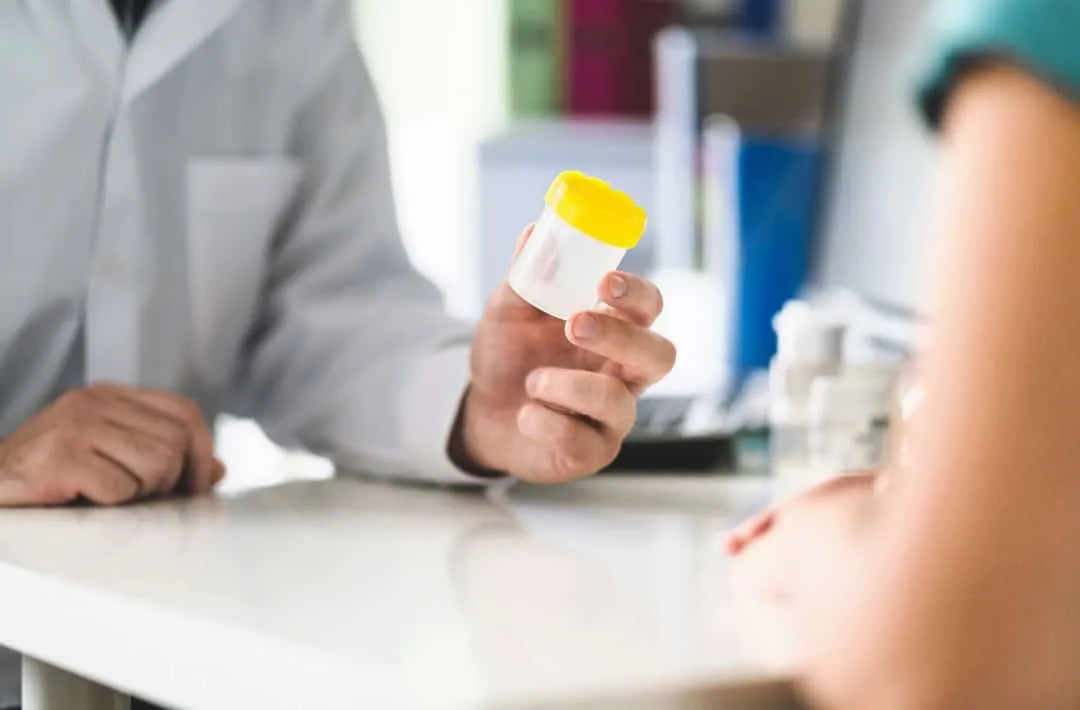
How Long Does Fentanyl Stay in Urine?
Fentanyl is a synthetic opioid that has contributed immensely to the overdose crisis in America. Its significant potency far surpasses both heroin and morphine, making it a highly dangerous substance. Individuals who use fentanyl may ask, “How long does fentanyl stay in urine?” when concerned about random drug testing. To learn more about fentanyl, its dangers, and how long it is detected in urine please read on.
What is Fentanyl?
Fentanyl is a powerful synthetic opioid pain reliever sold under brand names Actiq, Subsys, and Abstral. It was developed in the 1960s to provide pain management during surgery, and is commonly prescribed for terminal cancer patients. Fentanyl products include pill form, dermal patches, sublingual strips, and injectable liquid.
The spike in fentanyl overdose deaths is mostly attributed to fentanyl copies. These are the analogues that are manufactured outside the U.S. and then trafficked into the country and distributed throughout. These analogues are both cheap and accessible when compared to other opioids, thus the rise in fentanyl abuse and addiction.
Fentanyl causes effects similar to other synthetic opioids, including pain relief, sedation, mild euphoria, and relaxation. The well-known adverse effects of fentanyl include:
- Blurred vision
- Dry mouth
- Dizziness
- Confusion
- Numbness in feet or lips
- Fainting
- Constipation
- Labored breathing
- Chronic cough
- Tightness in the chest
- Back pain
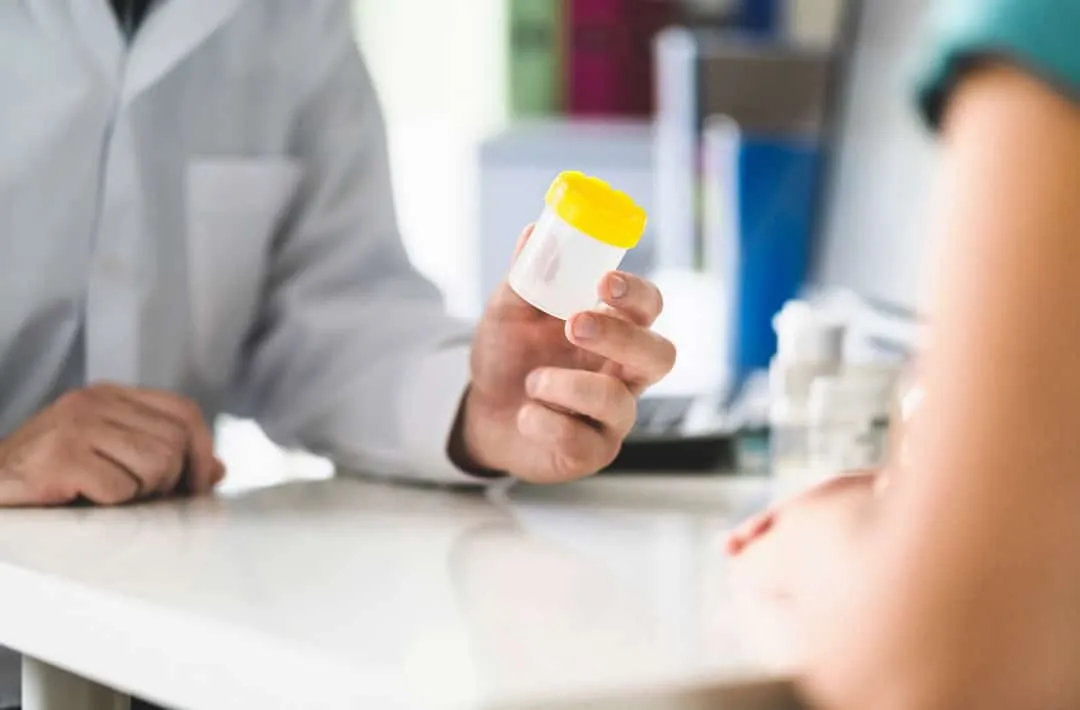
Drug Tests and Fentanyl
Someone who is concerned about fentanyl remaining present in the body may ask, “How long does fentanyl stay in urine?” This concern is common in individuals facing an upcoming drug panel through their workplace, school, or job application process. The answer to that question is “It just depends.”
The reason for the ambiguity is that the timespan for fentanyl detection in urine samples varies based on several factors. These include:
- Duration of fentanyl use. Is the individual using fentanyl on a regular basis or sporadically.
- Dosage amount. The higher the dose of fentanyl, the longer it is present in the urine.
- The method of administration. Did the individual use a dermal patch, consume the contents of multiple patches, inject the fentanyl, or take the pill form?
- Type of drug test. Many standard drug tests do not include fentanyl on the opioid panel. Also, lab tests are more sensitive in detecting fentanyl, versus rapid screening tests.
- Individual metabolism. The speed that fentanyl vacates the body is influenced by the unique metabolic function of each person.
- Liver and kidney function. General health is also a factor in how long fentanyl stays in urine, especially the person’s liver and kidney functioning.
How Long Does Fentanyl Stay in the Urine?
When someone asks, “How long does fentanyl stay in urine?” they may worry that not enough time has passed. Fentanyl showing up in the urine can cost someone a job opportunity, a job, an academic scholarship, or school enrollment.
The answer to the question isn’t always clear. Some studies have detected fentanyl in urine samples for up to eight days, and norfentanyl (fentanyl metabolite) for fourteen days. However, in most cases fentanyl clears the urine in 1-4 days from the time of usage.
Why is Fentanyl Dangerous?
Before experimenting with fentanyl or tranq-dope (fentanyl+xylazine), it’s good to be aware of the dangers of this powerful drug:
High Risk of Overdose. The sheer potency of fentanyl makes it a highly dangerous substance to experiment with at all. Fentanyl is about fifty times more potent than heroin and eighty times more potent than morphine. A tiny dose can result in fentanyl poisoning.
Present in Other Drugs. There are now test strips available to be able to detect the presence of fentanyl in heroin, cocaine, or other drugs. However, not everyone has access to the test strips and may unknowingly ingest fentanyl. This only adds to the risk of overdose death.
Addiction. Just as with any other opiate, fentanyl has a very high potential for addiction. Fentanyl addiction is difficult to manage safely due to the above two points, therefore a residential treatment program is recommended.
What are the Signs of Fentanyl Addiction?
Fentanyl is a Schedule II controlled substance because it has a high potential for abuse and addiction. Opioids in general are highly addictive, and fentanyl is no exception. As the brain adapts to the surge in dopamine and serotonin, it stops producing these neurochemicals naturally. This results in cravings and compulsive drug seeking behaviors, namely addiction.
The signs of fentanyl addiction include behavioral, physical, and psychological symptoms. The symptoms include:
- Physical symptoms like pinpoint pupils, chronic constipation, excessive sleeping, flushed skin, itchy skin, weight loss, reduced libido, and telltale needle marks
- Sedation or nodding out
- Restlessness
- Withdrawing from friends and family
- Missing work often and neglecting responsibilities
- Impaired judgment such as engaging in high-risk behaviors
- Unexplained euphoric mood
- Buying fentanyl from illicit sources
- Slowed cognitive and motor functioning
- Cannot cut back or quit using fentanyl
- Anxiety
- Mood swings
- Depression
- Restlessness
- Drug cravings
- Trouble concentrating
- Stealing property or money to buy fentanyl
- Suicidal thoughts
Getting Help for Fentanyl Addiction
To successfully achieve long-term abstinence from fentanyl, a residential rehab program provides the appropriate level of care. Comprehensive addiction treatment programs are designed to help individuals change their behavioral responses to cravings and triggers.
Here is what to expect in rehab:
- Medical detox. A medical detox setting can guide and support the individual through the process by managing withdrawal symptoms through various interventions.
- Individual psychotherapy. During the psychotherapy sessions you’ll work on changing thought/behavior patterns that have kept you locked in the addiction cycle.
- Group counseling. Under the guidance of a therapist, group participants share their experiences and offer each other input and encouragement.
- Medication. Medication therapy is often included as part of the fentanyl treatment plan for the first 6-12 months.
- Psychosocial education. You’ll learn life skills like conflict resolution, emotion regulation, problem solving, and communication skills.
- 12-Step facilitation. The 12-step program offers a blueprint for incrementally overcoming addiction.
- Holistic. Holistic activities help you manage stress and include meditation sessions, yoga classes, and art therapy.
LifeSync Malibu Provides Treatment for Fentanyl Addiction
LifeSync Malibu offers an intimate, luxury setting to receive top-tier addiction treatment and wellness coaching. If you wonder how long does fentanyl stay in urine, you may be struggling with fentanyl addiction. Please reach out to us for guidance and support at (866) 491-4426.
.