
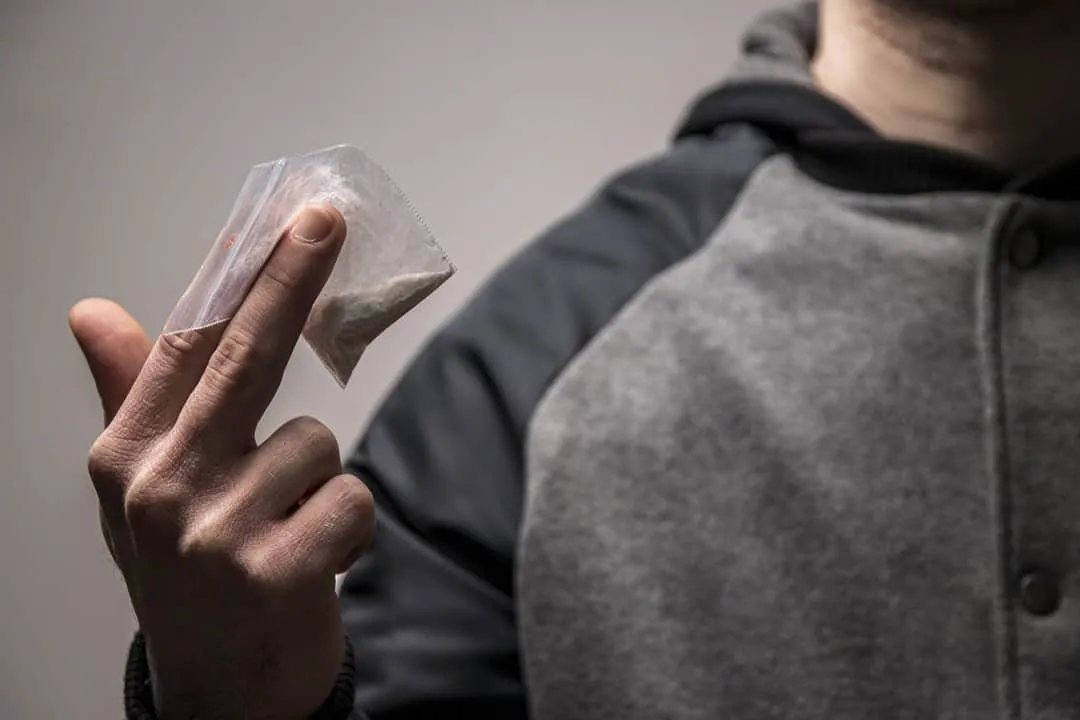
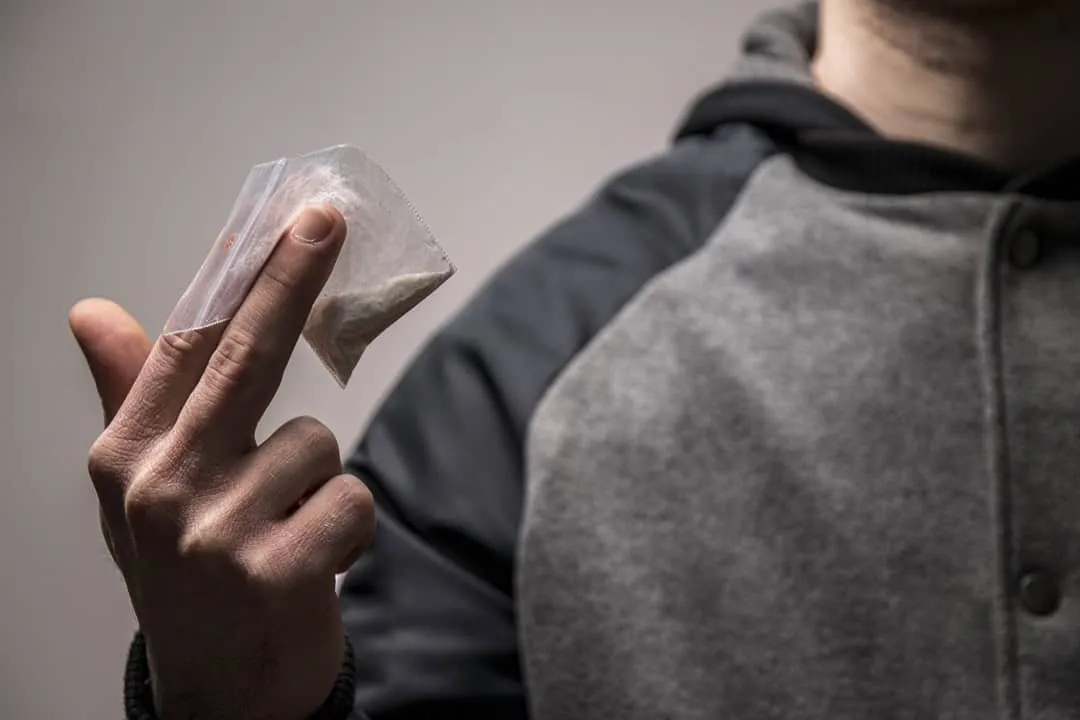
What Does Fentanyl Taste Like?
Fentanyl continues to make headlines even as overdose deaths have gradually tapered off. Fentanyl-laced drugs have also continued to proliferate, and people want to know how to detect if fentanyl is present. One question asked is, “What does fentanyl taste like?” To learn more about the properties, risks, and treatments for fentanyl, please continue reading.
Understanding Fentanyl
Fentanyl is a synthetic opioid that has a legitimate medical use for managing intense pain after other medications wear off. The drug is available in many different forms providing physicians with the best delivery of the drug for a given situation.
Fentanyl has been associated with the hundreds of thousands of overdose deaths in the past decade. The fentanyl crisis has been fueled by the distribution of copies or the drug, also referred to as analogues.
These copies are manufactured in foreign labs that are not monitored for quality or purity, and then turn up for sale on the street. Many of the deaths have occurred because the user was not informed that they were ingesting fentanyl.
What Does Fentanyl Taste Like?
One of the biggest dilemmas for recreational drug users is trying to identify whether the product they purchase contains fentanyl. The desire to know what does fentanyl taste like, look like, or smell like is a practical one. It is a fact that fentanyl-laced drugs have caused countless deaths.
Someone asking what does fentanyl taste like may get differing answers. The two most common answers are:
- Fentanyl does not have a distinct flavor or taste
- Fentanyl has a slightly sweet taste that contrasts with the bitter taste of heroin
To assist people in detecting the presence of fentanyl, there are now fentanyl test strips available. These are thin strips of paper that can detect small quantities of fentanyl in a few minutes. This product has the potential to save many lives.
Fentanyl Abuse and Addiction
As with all opioids, fentanyl produces mild euphoria, deep relaxation, and pain relief. This registers in the brain’s reward network as fentanyl use as a pleasurable experience, which prompts continued use.
Over time, the body builds up a tolerance to fentanyl’s effects. This prompts the individual to use a higher dose or to take more frequent doses as they seek to achieve the initial effects. The addiction cycle that features cravings, drug seeking/use, and withdrawal has begun.
While many fentanyl overdose deaths were due to the unintentional ingestion of the drug, some people abuse fentanyl recreationally to get high. This explains why people are asking, “What does fentanyl taste like?” in the hopes of avoiding a tragic outcome.
Here are some examples of how fentanyl is abused:
- Chewing the patch
- Heating and smoking the gel from the patch
- Steeping the patches and drinking it
- Placing multiple patches on the body
- Injecting liquefied fentanyl
Signs of Fentanyl Abuse
When someone is misusing fentanyl, they will begin to exhibit certain telltale signs. These may include:
- Excessive sleeping
- Chronic constipation
- Mood swings
- Unexplained euphoric mood
- Trouble concentrating
- Sedation or nodding out
- Needle marks
- Pinpoint pupils
- Reduced libido
- Flushed skin
- Itchy skin
- Slowed cognitive functioning
- Depression
Symptoms of Fentanyl Addiction
Once someone has developed an addiction to fentanyl they will start to show the common signs of opioid addiction. These may include:
- Obsessing about obtaining and using fentanyl
- Lying about drug use
- Avoiding social events or hobbies once enjoyed
- Isolating behaviors
- Stealing to finance the fentanyl addiction
- Continuing to use fentanyl despite consequences
- Cannot stop or control fentanyl
- Increasing tolerance
- Fentanyl cravings
- Having problems at work or at home
- Doctor shopping for refills
- Having withdrawal symptoms when the fentanyl wears off
Over time, the brain pathways will become altered due to continued fentanyl abuse. When someone stops using fentanyl, emerging withdrawal symptoms are signs that the body and brain are trying to adjust. Withdrawal symptoms may range from mild to severe depending on the scope of the fentanyl addiction.
Fentanyl Detox and Withdrawal
It is essential to undergo fentanyl detox and withdrawal in a safe, secure setting with a medically trained detox staff. This support is needed, as most who attempt detox and withdrawal on their own will give up and return to the drug.
Most individuals entering recovery with an opioid addiction are put on a tapering schedule. This involves a gradual reduction of fentanyl over a period of a couple weeks. The taper allows the person to slowly adjust to the declining levels of fentanyl in their system.
Some individuals will benefit from medication-assisted treatment. At a certain point of the detox and withdrawal process, the drug Suboxone can be started. The purpose of the medication is to reduce withdrawal discomforts and cravings. This can be helpful for preventing a relapse.
During the detox and withdrawal process, our expert detox team provides the medical and psychological support needed. This support makes all the difference as to whether the individual is able to move forward into residential treatment.
Fentanyl Detox Timeline
The onset of withdrawal symptoms begins about 8-24 hours after the last fentanyl dose. On average, the detox process unfolds in three stages, and lasts about a week, however, some symptoms do persist for a period.
Early stage. The early symptoms include agitation, anxiety, sweating, yawning, aching muscles, and runny nose.
Peak symptoms. On days 2-4 of fentanyl detox, symptoms include a more intense version of the symptoms in the early stage. In addition, high blood pressure, stomach problems, and increased heart rate are common in this stage.
Post-acute withdrawal phase. In the final stage of detox, symptoms become less intense and most are largely resolved by the one-week mark. There are often lingering symptoms, such as low mood, depression, fatigue, and anxiety.
Next Steps After Fentanyl Detox
After you have completed the detox and withdrawal piece of the recovery process, you’ll transition to treatment. A residential treatment program assists individuals entering recovery to learn new thought and behavior patterns that help them navigate sobriety.
Addiction treatment specialists and therapists provide the following:
- Individual psychotherapy sessions
- Group therapy sessions
- Family or couples therapy sessions
- Addiction education and relapse prevention
- 12-Step program elements
- Holistic treatments
- Nutrition and recreation
LifeSync Malibu Luxury Residential Rehab for Fentanyl Abuse or Addiction
LifeSync Malibu offers upscale addiction and dual diagnosis recovery services for individuals struggling with fentanyl abuse or addiction. If you have been wondering, “What does fentanyl taste like?” you are likely concerned about encountering tainted product. Please reach out for support today at (866) 491-4426.
.